The platforms we have delivered, the ways to engage us and our portfolio to download.
4
Case studies
4
Ways to engage
3
Regions: UK & Europe, US, GCC & MENA
AI capabilities
Applied AI, not AI theatre.
Six capabilities we build into real systems, and what each one does for the people using them.
Answers grounded in your own documents
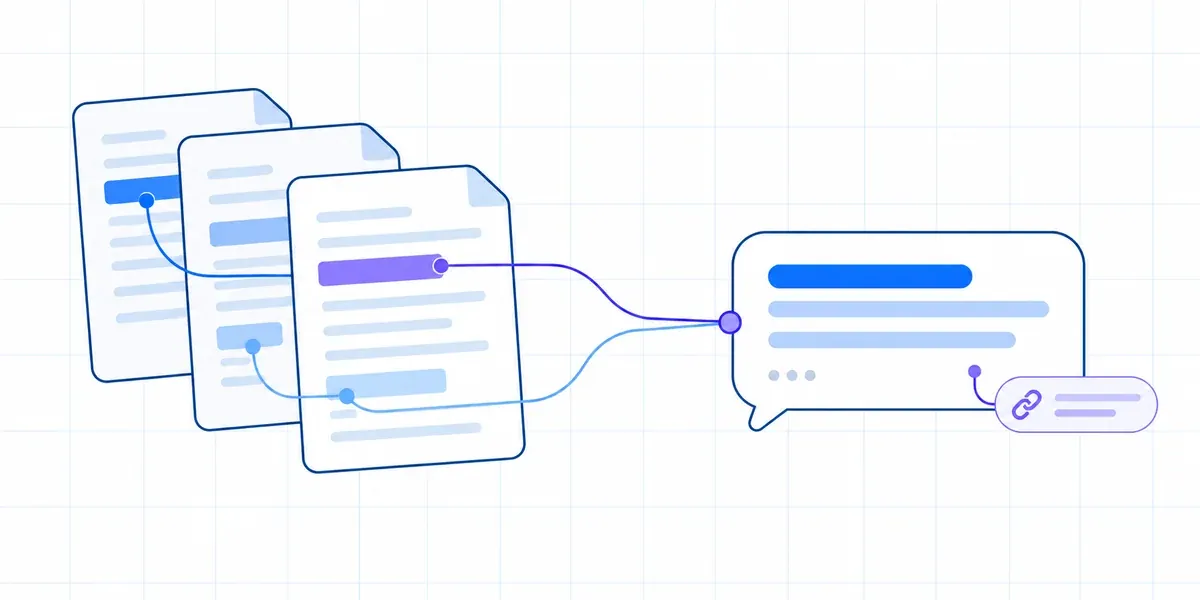
We turn documents such as protocols, policies, manuals, and guidelines into a searchable knowledge layer.
Retrieval-augmented generation
Embeddings
Vector search
Citation and refusal guardrails
In
Protocols, policies, manuals and guidelines
Out
Answers with sources attached, or a refusal when nothing relevant is found
How it works
Content is split into passages and converted to embeddings. At question time the system retrieves the most relevant passages, and the language model answers only from them, with sources attached. If nothing relevant is found, it declines instead of guessing. The result is an assistant that is accurate, consistent and always available, even for questions where a wrong answer has consequences.
Turning photos, voice, and text into structured data
Most real-world data arrives as an image, a recording or a loose sentence.
Computer vision
Speech-to-text
Natural-language parsing
Entity matching
In
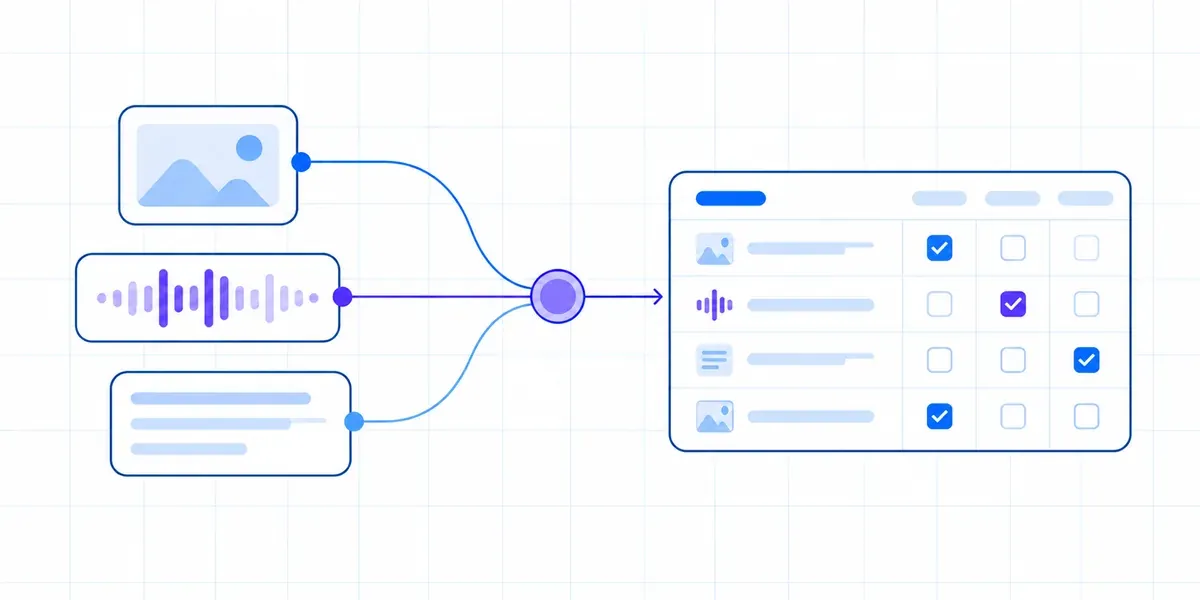
A photo, a recording or a loose sentence
Out
A structured record, matched to reference data with units normalised
How it works
We combine image recognition, speech transcription and language parsing so any of the three becomes a clean, structured record. Detected items are matched against trusted reference databases, and quantities and units are normalised. People get a one-tap way to capture data, and the business gets consistent, analysable records instead of free text.
Drafts in seconds, decisions stay human
Writing and reviewing consume expert hours.
LLM summarisation
Structured prompting
Human-in-the-loop approval
Audit logging
In
Long histories and dictation
Out
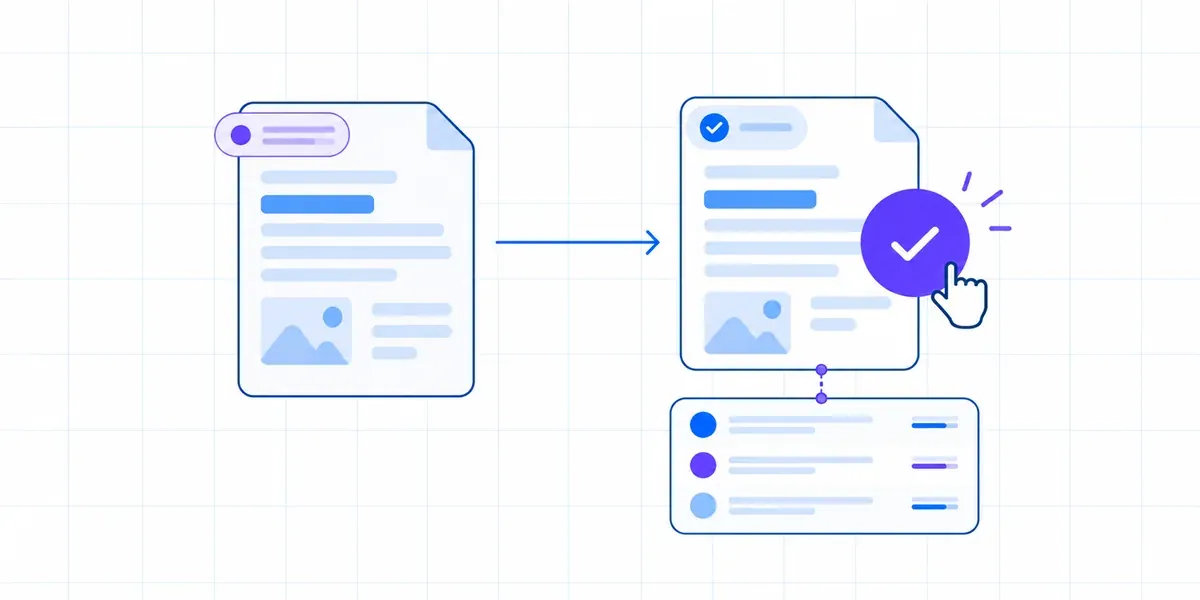
Drafts held for approval, with every accepted edit logged
How it works
We use language models to summarise long histories, turn dictation into clean notes, and draft replies and reports. Outputs are shaped by structured prompts and templates, flagged as drafts, and held behind an approval step. Every accepted edit is logged. You get the speed of automation without surrendering accountability, which is what regulated and high-stakes work demands.
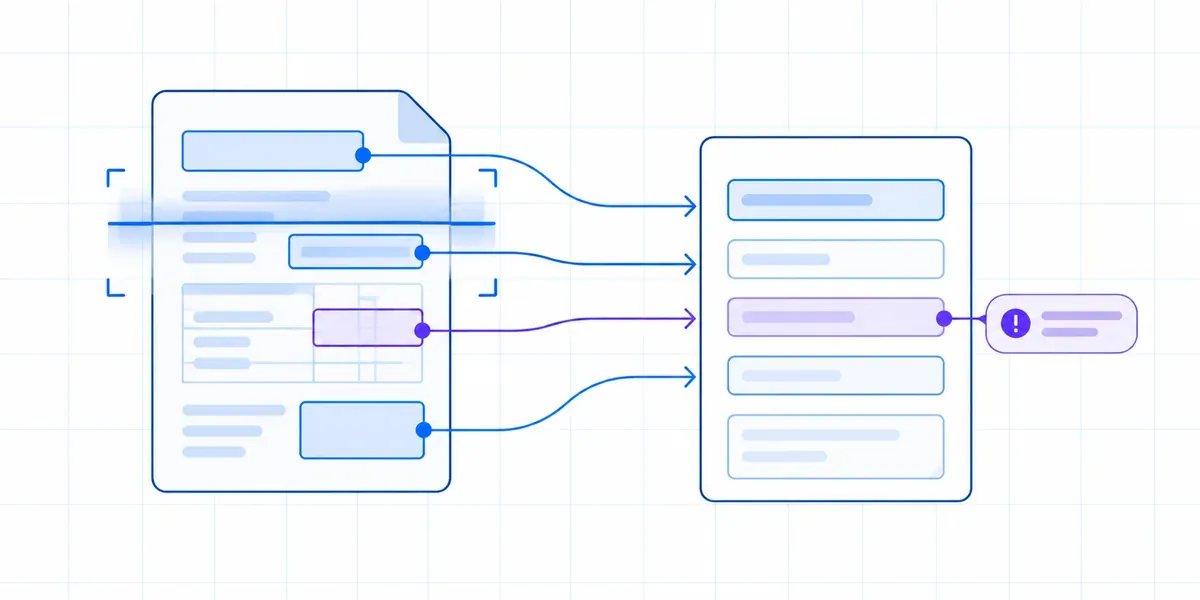
Reading scanned documents into validated fields
Valuable information is trapped in scanned pages, PDFs, lab reports, forms and receipts.
Intelligent document processing
OCR
Layout analysis
Schema validation
In
Scanned pages, PDFs, lab reports, forms and receipts
Out
Validated fields in your systems, with anything uncertain sent to a person
How it works
We combine optical character recognition with layout analysis and entity extraction to pull out the fields that matter. Extracted values are validated against expected formats and business rules before they enter your systems, and anything uncertain is routed for human review. The result is less re-keying, fewer transcription errors and documents that finally become usable data.
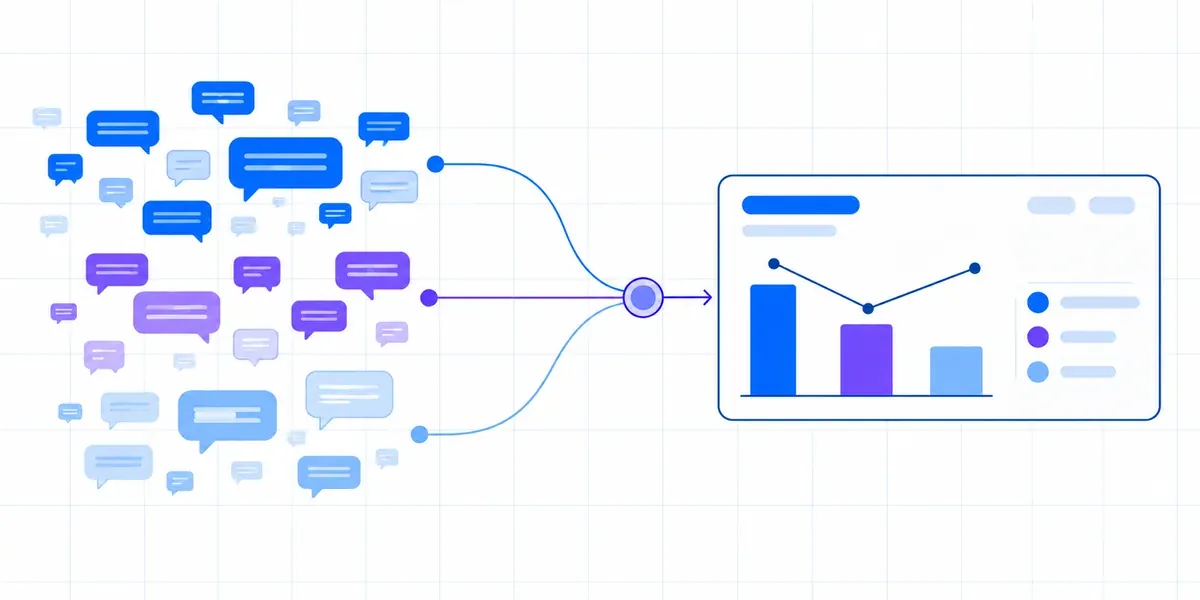
Classifying what people say, across thousands of posts
Opinion, feedback and market chatter run to thousands of items a day.
Natural-language processing
Sentiment and emotion classification
Topic clustering
Scheduled data pipelines
In
Thousands of items a day, from many sources
Out
Sentiment, topics and trend drivers, tracked run to run
How it works
We build pipelines that collect from many sources on a schedule, then classify sentiment and emotion, cluster topics and extract the drivers behind each trend. Results are tracked run to run, so shifts show up as they start. Teams get a continuous, explainable read of their market in place of a one-off report.
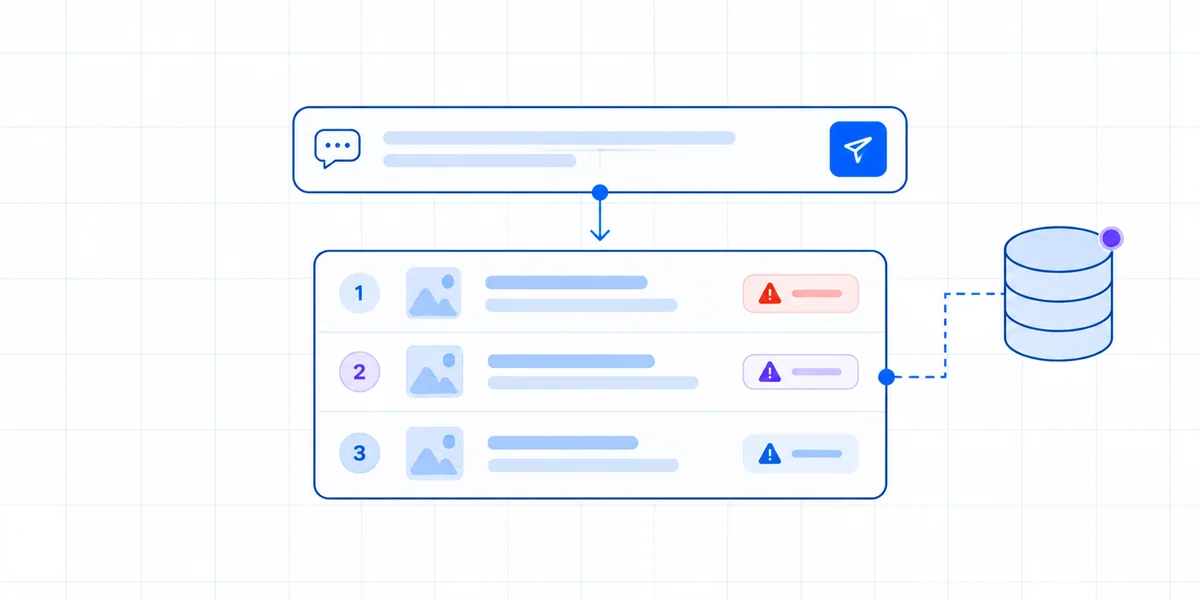
Assistants that work on your live data
Dashboards and databases hold the answers, but only to people who know where to look.
Natural-language interfaces
AI triage and prioritisation
Risk flagging
Retrieval over structured data
In
A plain-language question
Out
Ranked items, flagged risks and next actions, with the reasoning shown
How it works
We add conversational assistants that turn plain-language questions into queries over your live data, then rank open items, flag at-risk records and suggest next actions with the reasoning shown. Anyone can ask, from analysts to managers. The result is faster decisions, and fewer problems found late.
Case studies
Platforms we have delivered.
Four engagements across the UK, the US and the Middle East, from internal operations to patient care. Client details stay private; what we built does not.
OperationsUK
Client & Workforce Operations Management Platform
For: a UK business managing client work and a project workforce
Projects, people and client work were tracked across separate spreadsheets.
During a live event the schedule, the staff and the guest experience all move at once, and scheduling clashes add to the operational overhead of running it.
Managers at the firm could not see who was billable without building reports by hand, and approvals, staffing and resource planning were not in one place.
Flexible engagement models designed around your business outcomes.
Specific skillsFlexible capacity
Staff Augmentation
Add AI, data, software, or agile specialists to your team, and use AI agents to take on repeatable tasks alongside them. Adjust capacity as the work changes.
Give your team hands-on training in the tools and ways of working they use every day. We tailor sessions to your goals and help new skills take hold in real projects.
Get guidance on business processes, agile ways of working, AI integration, and data strategy. Engineers who build and embed AI automation into your operations, reducing manual steps in the work you choose to automate.